
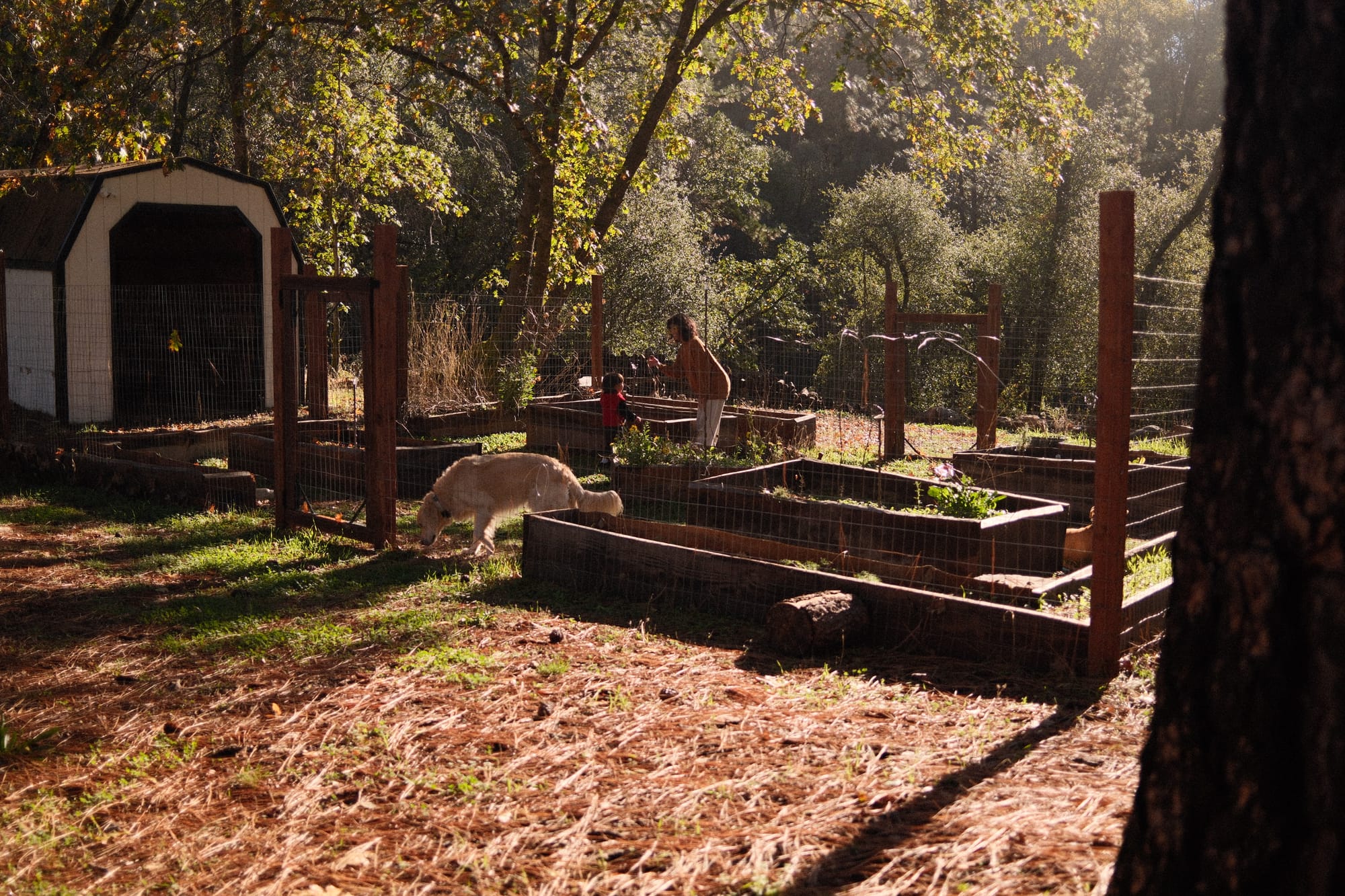
Homesteading didn’t begin as a curated lifestyle or an aesthetic we scroll past on Instagram. It began as a messy, complicated chapter in American history — one shaped by migration, hardship, colonization, resilience, exclusion, and survival. And somehow, over more than a century, that history condensed into a single tidy image of what a “real homesteader” is supposed to look like.
But if you peel back the layers, you find something far more complex. Homesteading was never one story, never one culture, never one aesthetic. It was a collision of traditions, skill sets, and communities — some remembered, many erased. And understanding that history explains why homesteading today tends to look so specific, even though the reality has always been much broader than the stereotype.
So let’s rewind. Let’s look at where this identity came from and why the version we often see now is less than half of the picture.
The "Traditional" Homesteaders (1800s–Early 1900s)
The image most people associate with homesteading traces back to the Homestead Act of 1862, when the U.S. government promised 160 acres of “free” land to settlers who agreed to live on it and farm it for five years.
These “original” homesteaders:
- were mostly white
- were often European immigrants or white Americans heading west
- lived in rural isolation
- built their homes from scratch
- raised livestock for survival
- grew, preserved, and produced almost everything they needed
Their clothing, tools, chores, and daily work weren’t aesthetic choices, they were acts of survival. It was a system built on work, grit, and a constant fight to get by on the land, and in many cases, to claim it forcibly.
This is the root of the “traditional homesteader” archetype that was romanticized in American media and still dominates our cultural imagination: a pioneer family in a prairie dress and overalls, living simply, working hard, and building a life on untouched land.
Except the land wasn’t untouched, and the story wasn’t simple. This is why I said we’ll never be “traditional” homesteaders.
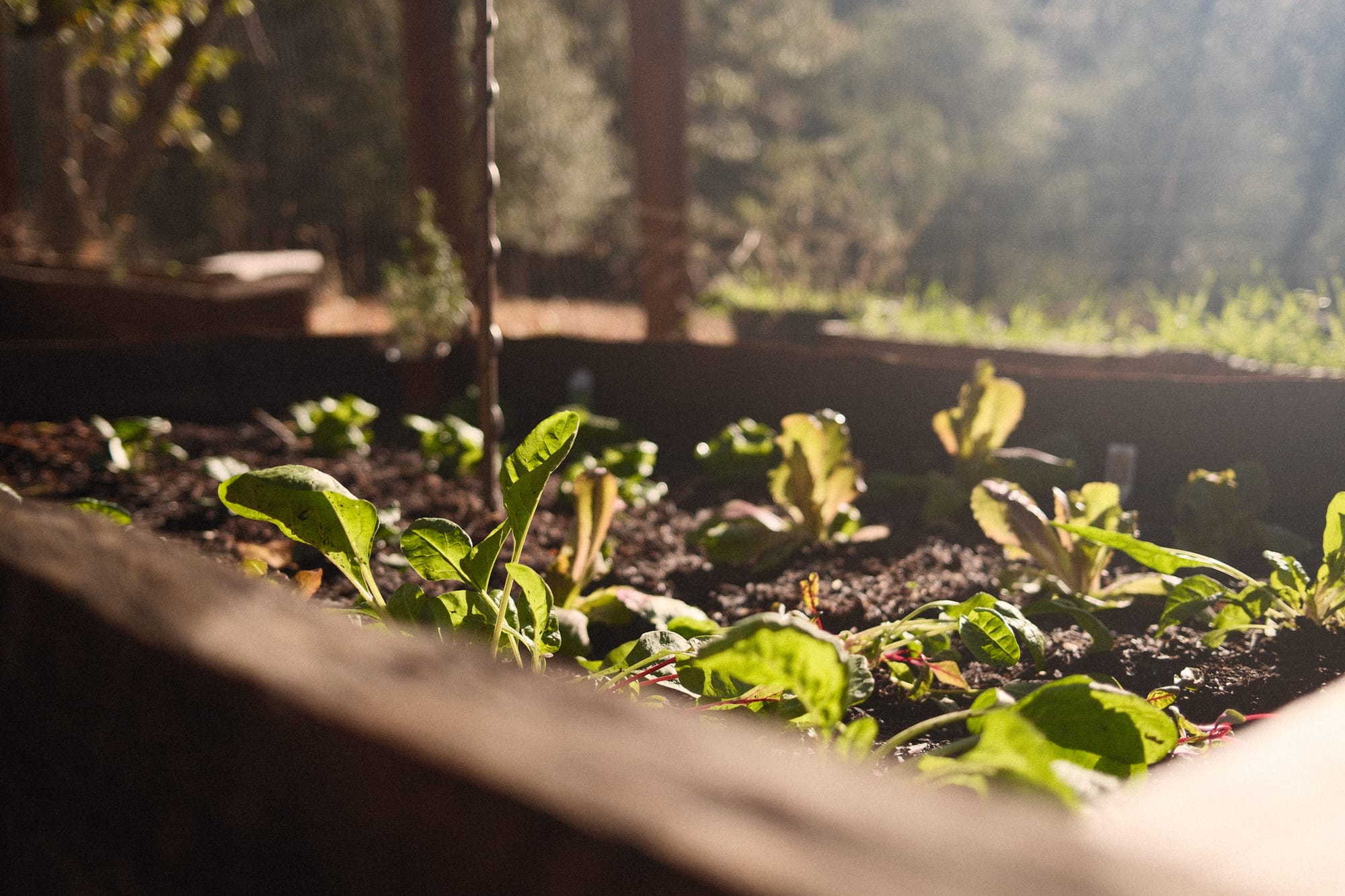
So…Who Actually Homesteaded? The Full Truth Is More Complicated
This is where nuance matters. It’s true that the Homestead Act era was overwhelmingly white. In terms of legal land grants, most recipients were white settlers. Indigenous, Black and brown communities farmed and ranched, but they were the minority and were usually excluded from federal land access, displaced or barred entirely.
So while the official U.S. homesteading program skewed heavily white, the broader reality of land-based living in America was always diverse.
Long before and long after the Homestead Act, many groups lived self-sufficient, agrarian lives that mirrored or predated homesteading.
Black Homesteaders
Tens of thousands of Black families homesteaded after Emancipation, especially in places like Kansas, Oklahoma, Colorado, and the Dakotas. Their communities shaped farming methods, music, and local culture.
But their stories rarely made it into the media that defined homesteading.
Indigenous People on the Land
The original stewards of the land had been living, farming, hunting, and cultivating ecosystems for thousands of years before settlers arrived. Their traditions — farming practices, ecological knowledge — are seldom labeled “homesteading,” even though they embody the deepest form of it.
Immigrant Farmers and Diverse Rural Cultures
Chinese, Mexican, Scandinavian, German, Japanese, and Filipino farming communities all contributed to American land-based living. This is the part that hardly gets told. Homesteading, in the lived sense — not the federal paperwork sense — was always far more diverse than the stereotype.
The reason we don’t picture these communities when we think “homesteader” is because their stories were never elevated in the same way.
So Why Does Homesteading Still Look So Specific Today?
Even though over a century has passed, the same pioneer-coded imagery prevails. Here are some of the reasons why:
American pop culture cemented the “pioneer family” as the homestead archetype.
From Little House on the Prairie to Western films, one primary vision of homesteading was portrayed — white, rural, traditional, linen-and-lantern-core. This became the blueprint.
Early online homesteading content reinforced it.
When blogs, YouTube channels, and Instagram homesteaders first went viral, they tended to be white, rural, centered on self-sufficiency skills like milking, bread baking, canning, etc.
This wasn’t intentional gatekeeping — it was simply who was creating content at the time. But algorithms rewarded the aesthetic, and it snowballed.
The aesthetic became aspirational (and profitable).
Soft folk music, linen aprons, mason jars, golden-hour chickens. These visuals perform well. They’re soothing, aspirational, and familiar, so they dominate.
The Homesteader of Today: A New, More Honest Archetype
Homesteading in 2025 isn’t about recreating the 1800s.
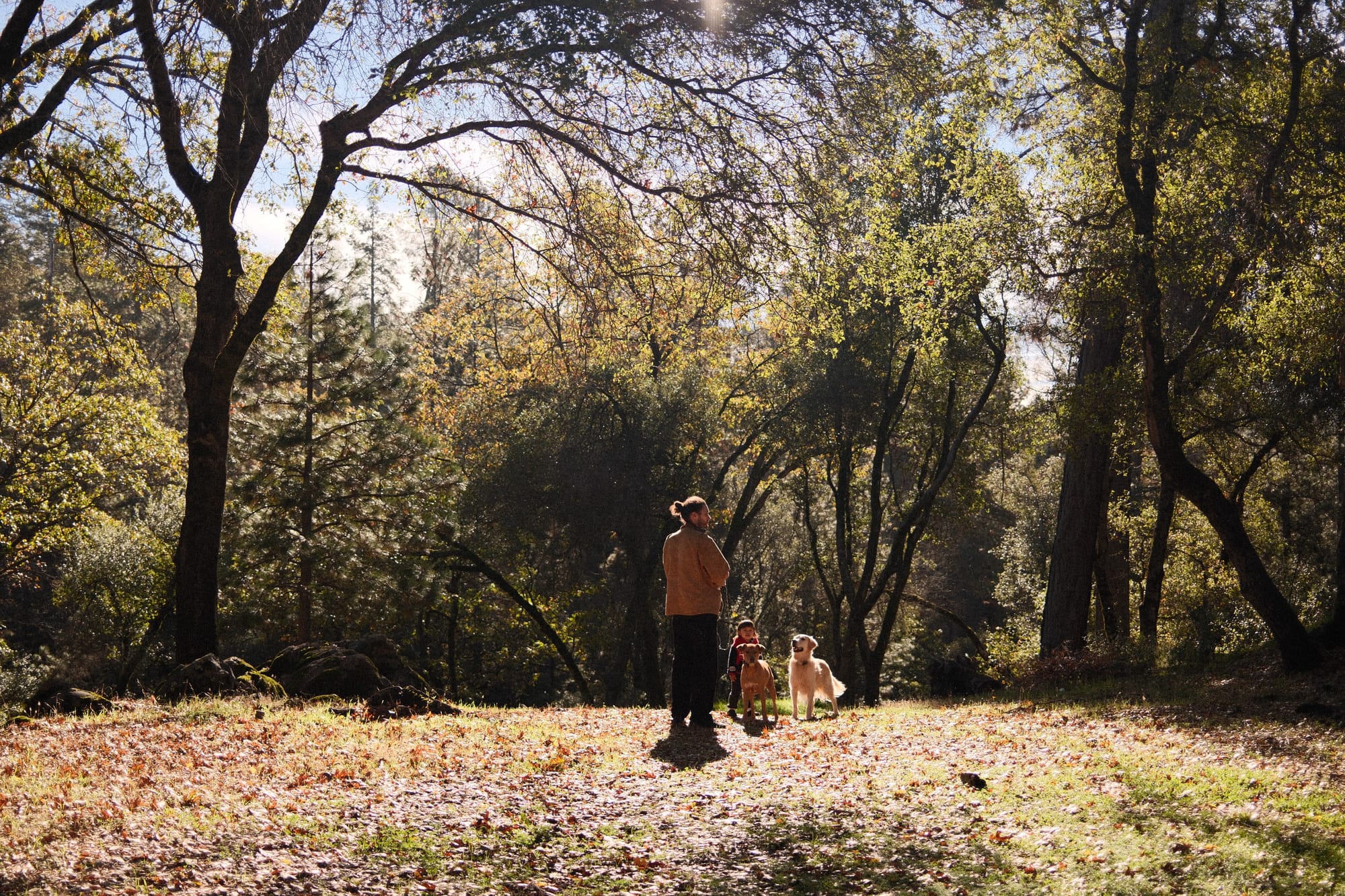
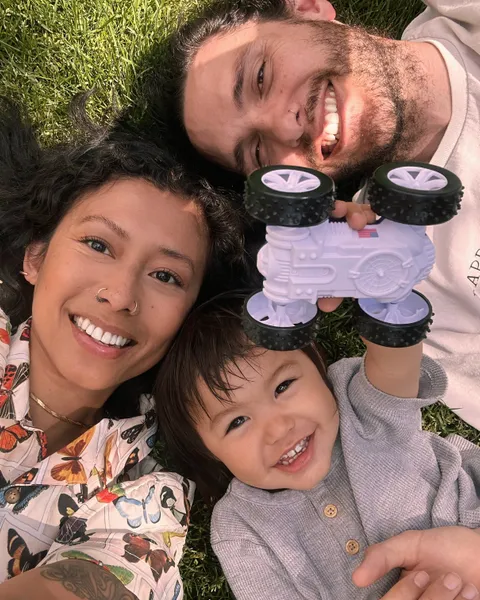


Our version of homesteading is about slowing down, reconnecting with land, raising animals for companionship and care, learning new skills, creating a safe, grounded life for our family, and blending modern identity with semi-rural living. It’s about families of color reclaiming land-based living and multicultural homesteads blending modern life and heritage.
It’s also about shedding the pressure to fit the old mold. If the traditional homesteader aesthetic is your vibe, great! But if you don’t identify with the historic archetype, you don’t need to embrace an aesthetic that erases your culture, your history, or your personality.
Why This History Matters
History isn’t just background noise — it shapes how people perceive who “belongs” in certain spaces.
Understanding the real history of homesteading helps us deconstruct limiting stereotypes, recognize the contributions of communities who were left out, build a more accurate, expansive definition of land-based living, and give ourselves permission to homestead in a way that feels authentic.
The modern homesteader can look like anyone, sound like anyone, wear anything, and come from anywhere. The only requirement is a desire to connect with the land in a way that feels grounded and real.

What do you think?
It is nice to know your opinion. Leave a comment.